
Featured
Track & Discover7 Jul 2026
 Track & Discover
What the Wellness Assessment Actually Measures
More than a symptom checklist. See how the Assessment measures intensity, life impact and hundreds of connected data points across your perimenopause.
Read more →
Education & Blog
Articles, guides and insights to help you understand your experience — written with care, grounded in evidence, and always in plain language.
More than a symptom checklist. See how the Assessment measures intensity, life impact and hundreds of connected data points across your perimenopause.
Read more →
An extra hour in bed should help. If you're still waking at 3am and dragging through darker mornings, perimenopause may be part of the picture.
Read more →

Poor sleep, low mood, aching joints. Treated separately, they're easy to dismiss. Why looking at your symptoms together can change the conversation.
Read more →

Getting through the day but not feeling like you? Why perimenopause can quietly change how you feel, and a simple way to start making sense of it.
Read more →

Short appointments make HRT talks hard. A practical checklist so you leave feeling heard — not rushed.
Read more →
Perimenopause happens at home, not just at the GP. Practical ways to start the conversation without carrying it alone.
Read more →
Dryness, jawline breakouts, texture shifts — common skin changes in perimenopause that have little to do with your routine.
Read more →

Morning stiffness and random aches are often misread as ageing. Why joint pain can be part of perimenopause — and what helps.
Read more →

Desire changes in perimenopause are common and rarely discussed. What it can look like, why the silence hurts, and what might help.
Read more →

Early, late, heavy, skipped — irregular periods are often one of the first signs of perimenopause. Here's what that covers and what actually helps.
Read more →
Cool room, no screens, herbal tea — and still not sleeping? Perimenopause sleep disruption is hormonal, not behavioural. Here's what actually helps.
Read more →

Feeling more reactive and less clear-headed? Why perimenopause changes how you process stress — and how it connects to focus and mood.
Read more →

The noticing you're already doing is data. See how Track and Discover turns quiet observation into a picture you can actually use.
Read more →

Eating the same, feeling different? Why perimenopause changes how your body processes food — and why meal timing matters as much as what's on the plate.
Read more →
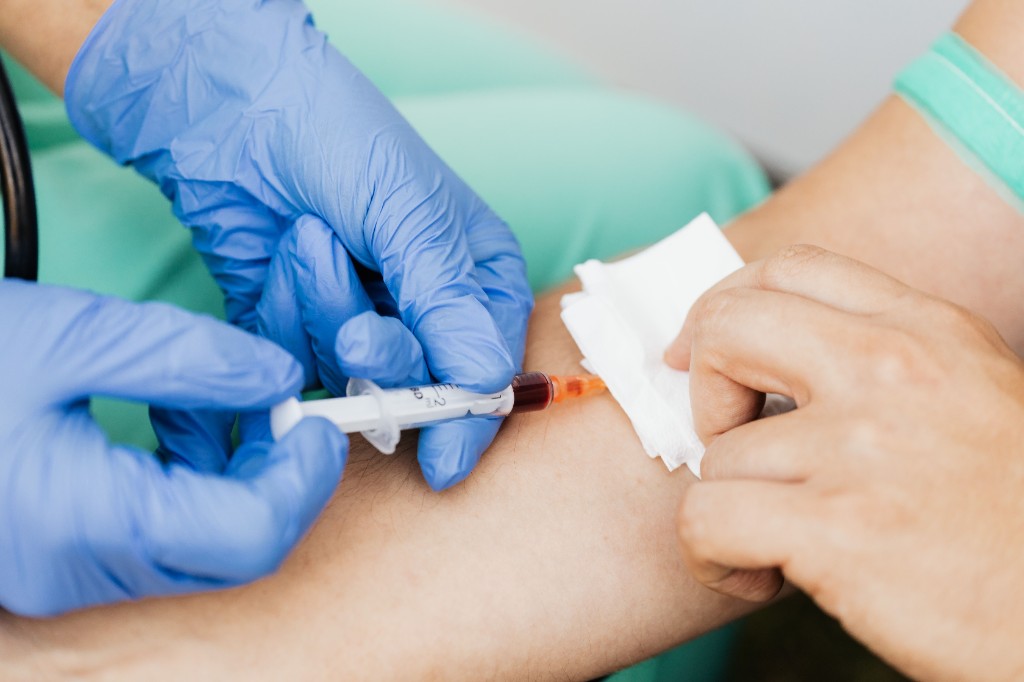
Bloods came back "normal" but you don't feel it? Why NICE guidance favours symptom patterns over hormone tests — and what actually helps.
Read more →

Same workout, different results? Why the old formula stops working — and what movement at your own capacity actually looks like.
Read more →

A major investigation into testosterone therapy for women raises real questions. Here's our honest reflection on what it means for your own perimenopause journey.
Read more →

Many women begin experiencing perimenopause symptoms in their late 30s or 40s — often without realising what's happening. Here's what you need to know.
Read more →
Perhaps you've always been calm and capable — and now you feel on edge. If anxiety feels new or out of character, hormones may be playing a role.
Read more →

If you're gaining weight despite eating and exercising the same, hormones may be responsible. Understanding why is the first step to feeling in control again.
Read more →

Waking at 3am with a racing heart? It may not be stress. We explore the hormonal causes of sleep disruption in your 40s and what actually helps.
Read more →
Not sure if what you're experiencing is perimenopause? Use our symptom checklist to see the full picture and understand your next steps.
Read more →
If you've been wondering why your symptoms feel so unpredictable — you're not imagining it. We explore the role of hormone fluctuations.
Read more →

A personalised, evidence-based framework built around three interconnected layers — designed to meet you where you are.
Read more →

Feeling more emotional, forgetful, or unlike yourself? These changes are incredibly common — and neurobiological, not a reflection of your capability.
Read more →

If your body feels different in your 40s, nutrition becomes more important — not less. Discover the key nutritional foundations.
Read more →

If your energy feels lower than it used to, your instinct might be to do less. But movement becomes more important — not less.
Read more →
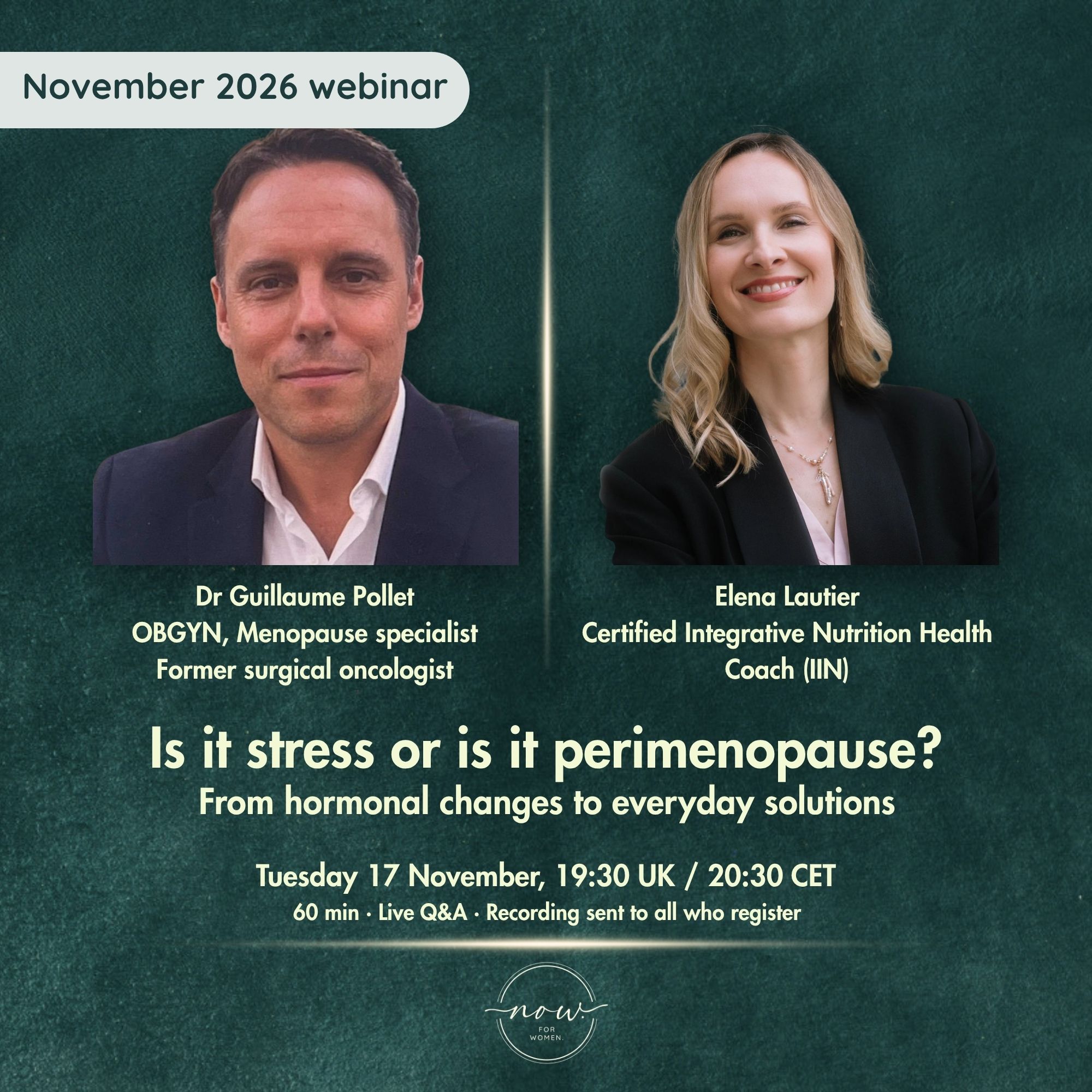
Webinar
For many women in their 40s and early 50s, it’s perimenopause, and it often goes unrecognised.
 Sleep & Recovery
 Mind & Emotional Wellbeing
 Body in Motion
 Nutrition