
The Clocks Went Back. So Why Do You Feel More Tired, Not Less?
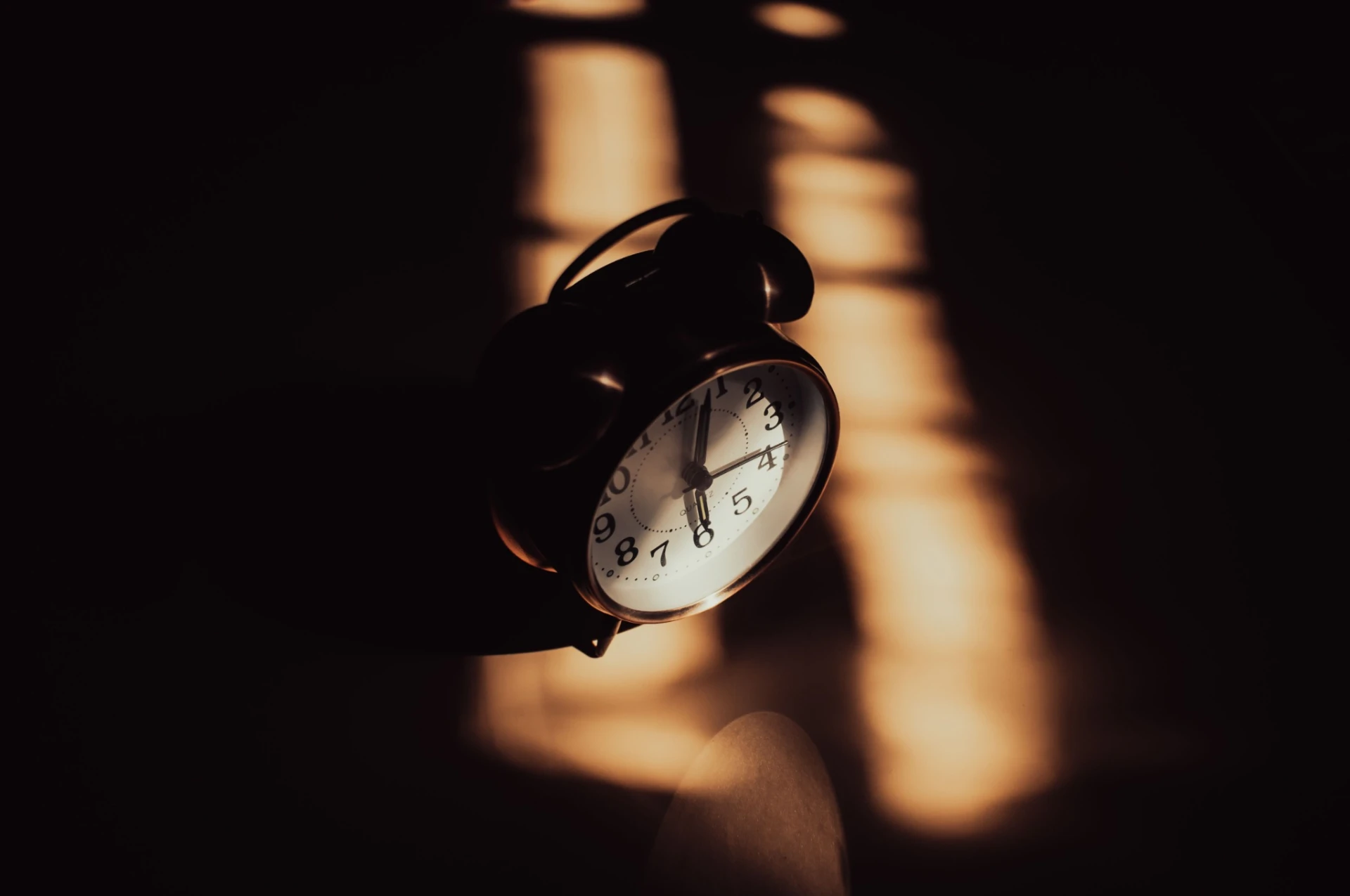
The clocks went back on Sunday. In theory, that meant an extra hour in bed. In practice, plenty of women woke at the same time anyway, or earlier, and have spent this week feeling more tired rather than less.
Darker mornings and shorter afternoons affect everyone. But if the tiredness feels different this year, heavier, harder to shake, or paired with waking in the small hours, it's worth paying attention to.
3am, again
One of the most common sleep complaints we hear isn't about falling asleep. It's about waking up. Around 3am, wide awake, mind racing, body hot or restless, with no obvious reason why.
Emerging research suggests the hormonal fluctuations of perimenopause can affect how the body regulates temperature overnight, and night sweats and anxiety are both recognised perimenopause symptoms. Together, they may make sleep lighter and more easily broken. That can happen even when you're doing all the right things: cool room, no screens, a sensible bedtime.
Why the seasonal shift can make it more noticeable
Our body clocks take their cues from light. When mornings get darker and evenings draw in, that rhythm has to adjust. For most people it settles within a week or two. If your sleep was already fragile, the change can make it feel noticeably worse for a while. A few gentle things can help your body find its rhythm:
- Get outside in daylight as early in the day as you can, even for ten minutes
- Keep your wake-up time roughly the same, weekends included
- Dim the lights in the evening to signal that the day is winding down
- Keep your bedroom cool, and layer your bedding so you can adjust in the night
None of these is a fix on its own, and if sleep problems carry on it's worth talking to your GP. But they give your body clock a better chance.
Tired isn't the whole story
Sleep rarely stands alone. When it goes, energy, mood, focus and patience often follow. That's why we look at Sleep & Recovery as part of your whole wellbeing rather than a problem to solve in isolation.
The free Wellness Assessment in the NOW For Women app shows which areas of your life are most affected right now, and one realistic place to start. Naomi is available on iPhone and Android.
Published 27 October 2026
Start with the free Wellness Assessment
A few minutes with Naomi is the start of a picture that's specifically yours — not a generic perimenopause profile, but the pattern showing up for you, right now.
Not sure yet? Try the 2-minute check-in first →
Download the AppSources
- Freedman (2014), Menopausal hot flashes: mechanisms, endocrinology, treatment
- NHS: How to get to sleep
- NHS: Insomnia
- NHS: Menopause symptoms
This article is general information, not medical advice. Please speak to your GP or a qualified health professional before making decisions about your health.
Get the full perimenopause guide — free
Delivered to your inbox. No spam, unsubscribe anytime.